
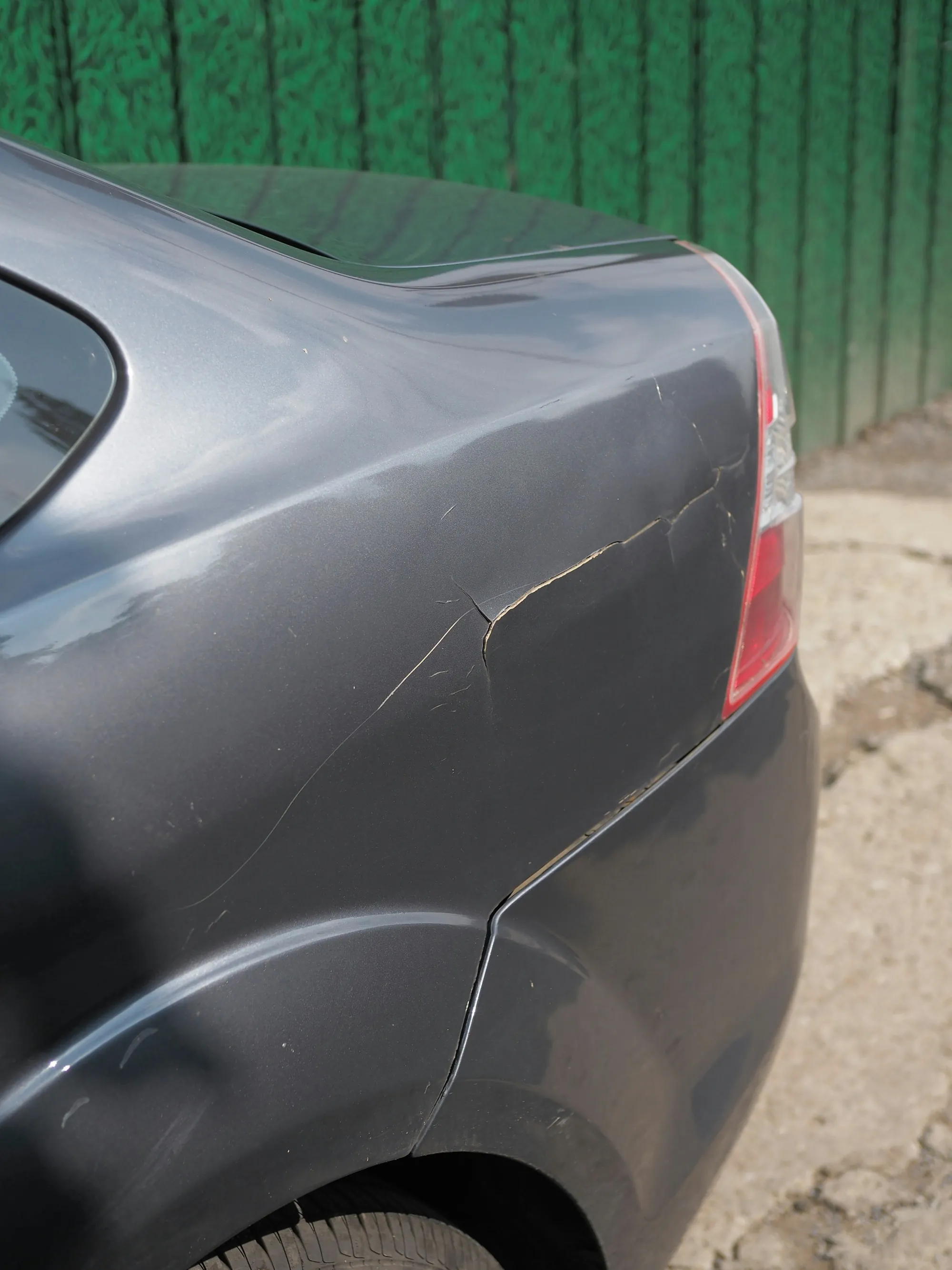
Scrapes, keying and chips
Paint Scratch Repair in McLendon-Chisholm for Key Marks, Scrapes and Chips
Gravel kicked up on FM 550 and a careless shopping cart leave very different marks. We measure each one and pick the lightest repair that will actually fix it.
How deep is it? Find out at (000) 000-0000Not Every Scratch Needs Paint, and Some Can't Do Without It
Automotive paint is a stack of thin films, with clear on the surface, color under that, then primer, then metal. A mark confined to the clear usually responds to polishing, while one that reaches primer or metal needs paint to seal it. We measure the film thickness before choosing a method, because polishing too much away weakens the finish for good. If the scratch came from a vandal or a collision, it may be part of a claim, and we document it with photos and readings so the insurer sees the depth for itself. For smaller marks you're handling on your own, we help you weigh the options without pressure. Either way, you'll understand why we recommend what we do.
Fixes Sized to the Mark
Scratch repair runs from a careful machine polish to a full panel refinish. Here's how we decide and what each option involves.
Film thickness measured first
A paint meter shows how much clear is left, which tells us how far correction can safely go.
Surface cleaned before inspection
Wash and clay remove grime that hides the true edges of a scratch or scatters light around it.
Clear-coat marks leveled and refined
Shallow scratches are corrected with machine polishing in stages, removing as little clear as possible.
Rock chips filled in layers
Chips on hoods and bumpers are dabbed full of matched paint a thin coat at a time, then leveled even with the paint around them.
Spot refinish for deep scratches
Deeper marks reaching primer or bare metal receive a small repaint that fades out so the edge disappears.
Bare metal sealed against moisture
Exposed steel gets primer before color, which stops rust from creeping under the surrounding paint.
Photos and readings for vandalism claims
Keyed cars often go through comprehensive coverage. We record each mark and its depth to support the claim.
Gloss compared to the next panel
The finished area is checked against its neighbor so shine and texture match, not just color.
Taking a Scratch From Visible to Gone
- 1
Gauge it and talk it over
We clean the area, measure the paint and examine the scratch under a bright lamp. Then we explain whether it calls for a polish, a fill or a repaint, and what each involves. If a claim is in play, we prepare photos and readings for the insurer. You decide how to proceed.
- 2
Correct at the right depth
Light marks are polished in stages, checking thickness as we go. Deeper ones are filled or sanded, primed and refinished in a small area. If the damage runs further than it first looked, we stop and tell you before doing more.
- 3
Finish and review
We polish the repair until it matches the surrounding gloss and clean the panel. It gets checked from different angles in daylight. You then get a close look at the area so you can see the result yourself.
Why a Small Mark Gets Careful Attention
Polishing has a limit
Each pass removes a little clear. Measuring first keeps enough protection on the panel for years of Texas sun.
Sealed before it spreads
A scratch to bare metal is an opening for moisture. Sealing it properly heads off a bigger repair later.
Your call, with full information
We lay out the options and their trade-offs plainly. Whether it goes through insurance or not, the decision stays yours.
Want That Mark Measured?
Most scratches look worse or better than they really are until someone measures them. Ring us with a description, and we'll say what kind of repair it probably calls for.
Ask about a scratch or chip: (000) 000-0000