
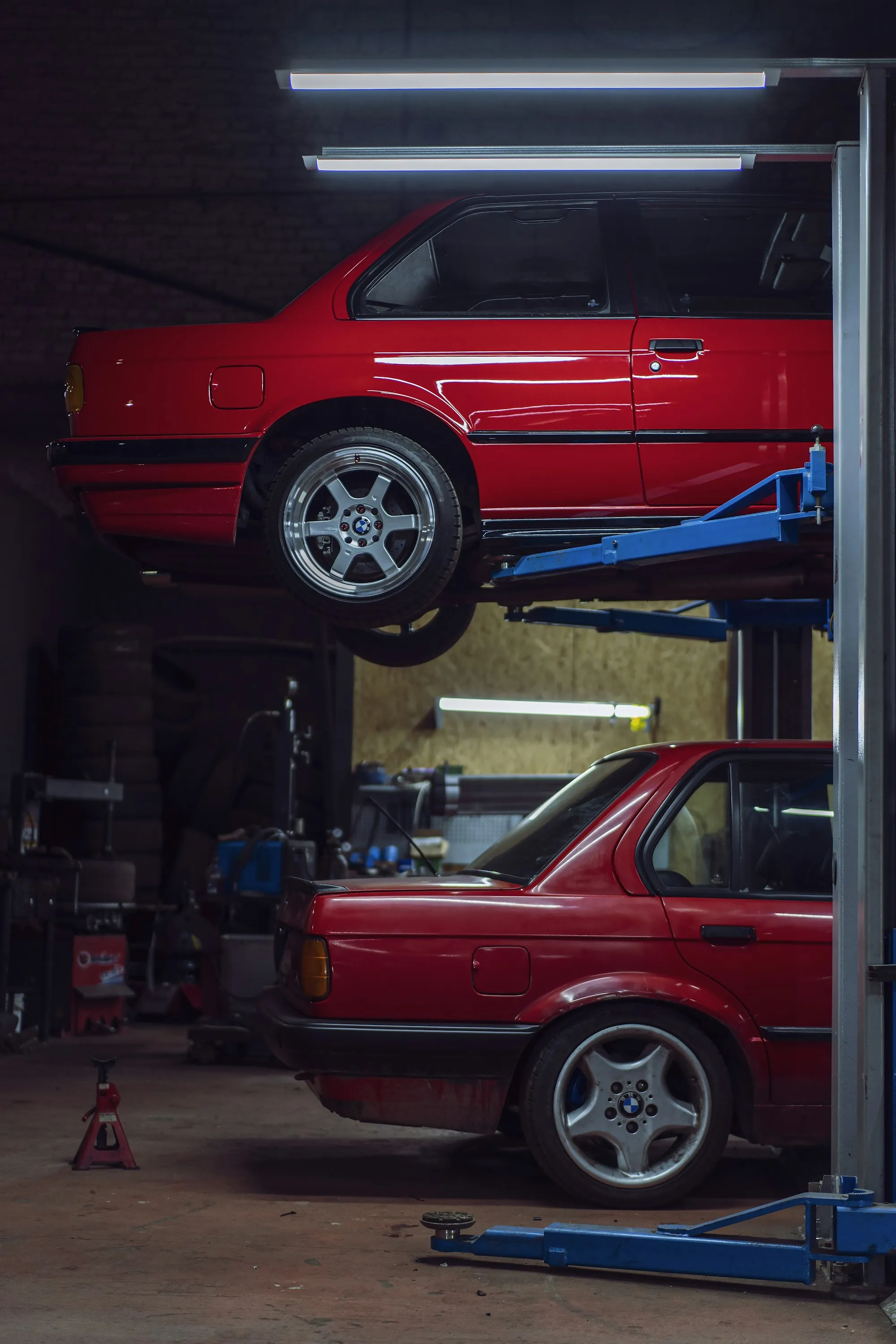
Structure and unibody
Frame Straightening in McLendon-Chisholm Backed by Recorded Measurements
If the car pulls on Rochell Road or a door no longer shuts cleanly, something underneath may have shifted. We take its measurements, straighten it and keep the proof.
Worried about the structure? Reach us at (000) 000-0000Structural Damage Needs Numbers Behind It
Nearly every passenger car sold now uses a unibody, a welded shell in which floor pans, rails and pillars work as one structure. A hard hit can nudge that shell out of position by mere millimeters, which is plenty to throw off wheel alignment, panel gaps and the way crumple zones absorb a future crash. You often can't see it, which is exactly why insurers sometimes question it. The car goes onto a measuring system, where we compare dozens of points to the manufacturer's published dimensions and print the results. Those readings go into the claim alongside our repair plan, so the conversation is about data rather than opinion. Whether the wreck happened on I-30 or a few minutes from home, the process is the same.
Structural Work, Documented at Each Stage
Frame work is where a careful paper trail matters most. These are the records and steps involved.
Baseline printout before any pull
We record where each control point sits before correction begins. That page shows the insurer the starting condition in plain figures.
Factory dimension charts for your model
Measurements are compared to the maker's own specifications, not a generic chart, so the target is the one your car was built to.
Anchoring at approved clamp points
The vehicle is secured where the manufacturer allows, so force travels only into the damaged area.
Staged pulls with fresh readings
Force goes on gradually, opposite the direction of impact, and we re-measure after each move to avoid overcorrecting.
Replacement where steel can't be pulled
Some high-strength steels must not be straightened or heated. Those sections are replaced at the seams the procedures identify, and the claim notes why.
Suspension mounts and steering geometry
We check strut towers, cradle mounts and control arm pickup points, since they decide how the car tracks.
Protective coatings reapplied
Areas that were welded or pulled are re-coated with primer, sealer and wax inside the cavities, as the factory did.
Closing measurements for your records
A final printout shows every point back within tolerance. You get a copy, and so does the insurer.
Three Stages of Putting the Structure Right
- 1
Take the readings, share the report
We secure the car to the bench and measure every reachable point. We compare the results to factory dimensions and mark where the structure shifted. That report and our repair plan go to your insurer before correction starts. We also go over what it shows with you.
- 2
Pull a little, check again
Pulls are set up to reverse the path of the impact, a little at a time. We re-measure between moves and stop when the readings land in range. If a section turns out to need replacement rather than straightening, we document it and request approval as a supplement.
- 3
Verify, align and hand off
Once the structure checks out, panels and paint can begin. A four-wheel alignment follows reassembly, and we drive it to confirm it tracks straight. The before-and-after readings stay in your file.
Why Measured Work Protects You
Hard to dispute, easy to follow
A printout comparing your car to factory specs gives the adjuster something concrete to review. It also gives you a clear record should you trade the car in down the line.
Safety lives in the structure
Crumple zones and airbag timing rely on the body being where the engineers put it. Correcting it properly is about the next crash as much as this one.
No guessing on modern steel
We follow the maker's rules on which parts can be pulled and which must be replaced. Those rules go in writing for the claim.
Does the Car Feel Off Since the Accident?
Uneven tire wear, a crooked steering wheel or doors that bind are common signs that the structure moved. Let us measure it so you and your insurer know where things stand.
Get the structure measured: (000) 000-0000