
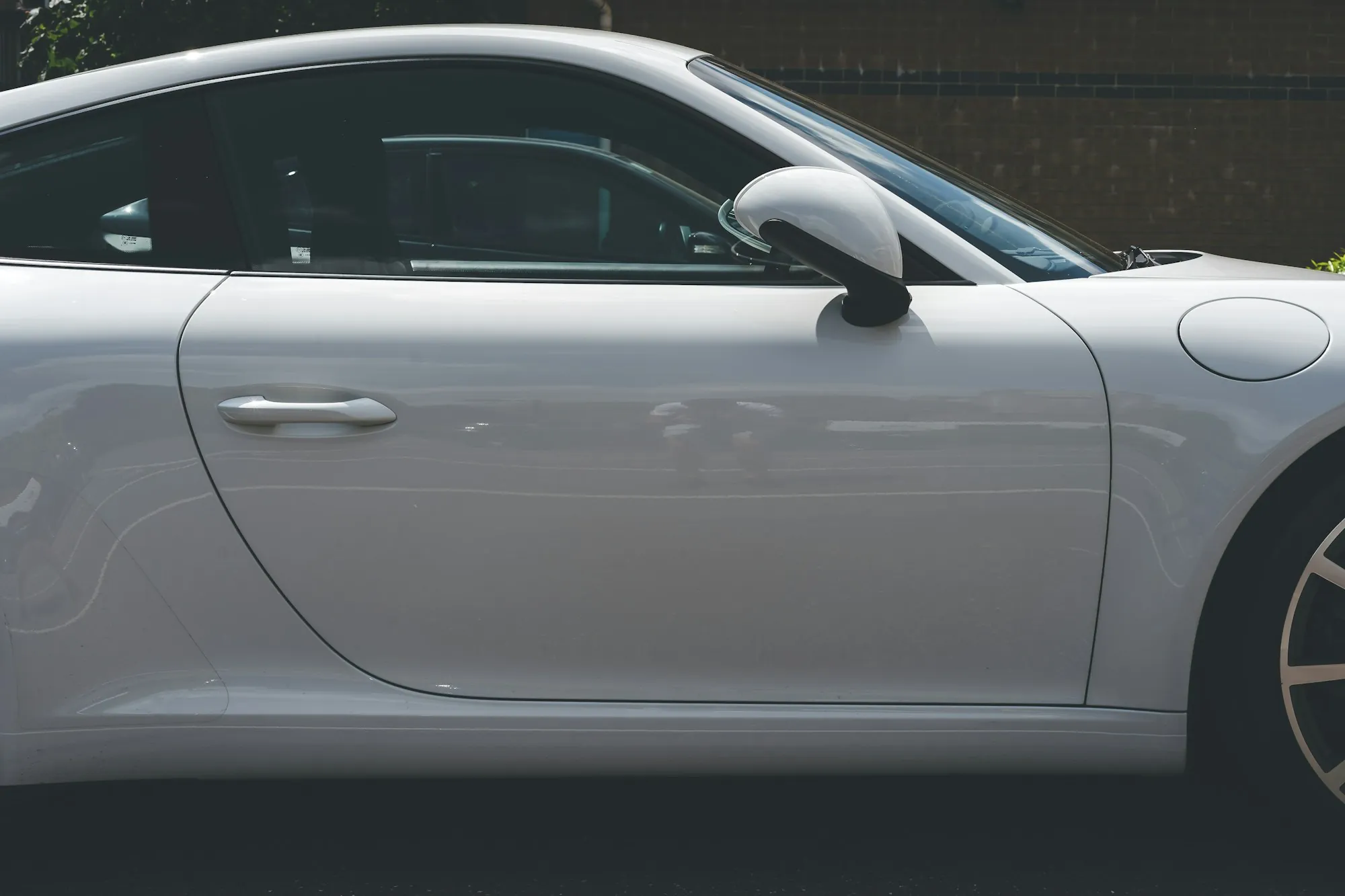
Creases and deeper dents
Dent Repair in McLendon-Chisholm for Creases That Need Real Bodywork
Some dents won't push out without breaking paint. For those, we reshape the steel, refinish the panel and make sure the estimate lists every step it takes.
Describe the crease to us: (000) 000-0000When a Dent Goes Past What Paintless Work Can Fix
A dent with a sharp crease, stretched metal or cracked paint usually needs traditional bodywork. That involves reworking the steel, a thin finishing layer, primer, paint and blending into nearby panels. Each of those steps takes time and materials, and an estimate that skips blending or corrosion protection leaves a repair that won't match or won't last. We write the estimate to include the full process and explain to the insurer why each step is there. We also check first whether paintless repair could work, since keeping factory paint is the better result when it's possible. Drivers from Talty and Royse City often come to us after a parking-lot hit, and the first conversation is about which method fits.
Each Stage of a Conventional Dent Fix
A proper dent repair is a sequence, and each step earns its place on the estimate.
Method chosen before any sanding
Paint condition and dent depth tell us whether paintless or conventional work fits, and we explain that call to you.
Access from behind the panel
We remove trim or interior panels to get behind the dent, so the metal is shaped from behind as well as in front.
Steel brought back to its contour
Hammers, dollies and stud pulls restore the shape, keeping the original panel whenever its condition allows.
Stretched areas tightened
Metal stretched by the impact is shrunk using carefully applied heat, which stops the panel from popping in and out later.
Finishing layer kept thin
Body filler is used only to smooth the last fraction of a millimeter, which keeps it from cracking or shrinking over time.
Corrosion barrier over bare steel
Exposed metal is sealed with a corrosion-resistant primer before any color, closing the door on rust under the new paint.
Blend time listed on the estimate
Matching a repaired panel means fading color into the panels beside it. We include that step in writing so it isn't trimmed later.
A daylight check before release
We sight down the panel outdoors, where waves or color shifts are easiest to spot.
How a Crease Becomes a Smooth Panel
- 1
Inspect and explain
Under angled shop light we study the dent and test whether paintless repair is an option. If it isn't, we write an estimate covering shaping, refinishing and blending. When a claim is involved, we send it to the insurer with photos of the damage. You get the same copy they do.
- 2
Rework and level the metal
The panel is opened up from behind and the metal is reshaped and leveled. Stretched areas are tightened, then a thin finishing layer is blocked smooth. If we find a bent brace or broken clip once trim is off, we photograph it and request approval before replacing it.
- 3
Refinish and review
The area is primed, sealed and painted, with color carried into adjacent panels. After curing, the clear gets polished until its gloss matches the panel around it. Then you and our tech look the car over in daylight so you can judge the repair yourself.
Why Our Dent Repairs Keep Their Shape
Shape comes from the metal
Restoring the steel itself means the panel keeps its strength and its line. Filler only finishes the surface.
Paintless gets a fair look first
If paintless work can handle it, you'll hear that from us, even when that makes for a smaller job on our side.
No quiet shortcuts
Blending and corrosion protection are written into the estimate and discussed with the insurer. That way they don't get dropped to save time.
Ready to Retire That Crease?
A sharp dent with broken paint invites rust the longer it sits. Tell us about it over the phone and we'll lay out what the repair and the paperwork involve.
Talk through the dent at (000) 000-0000