
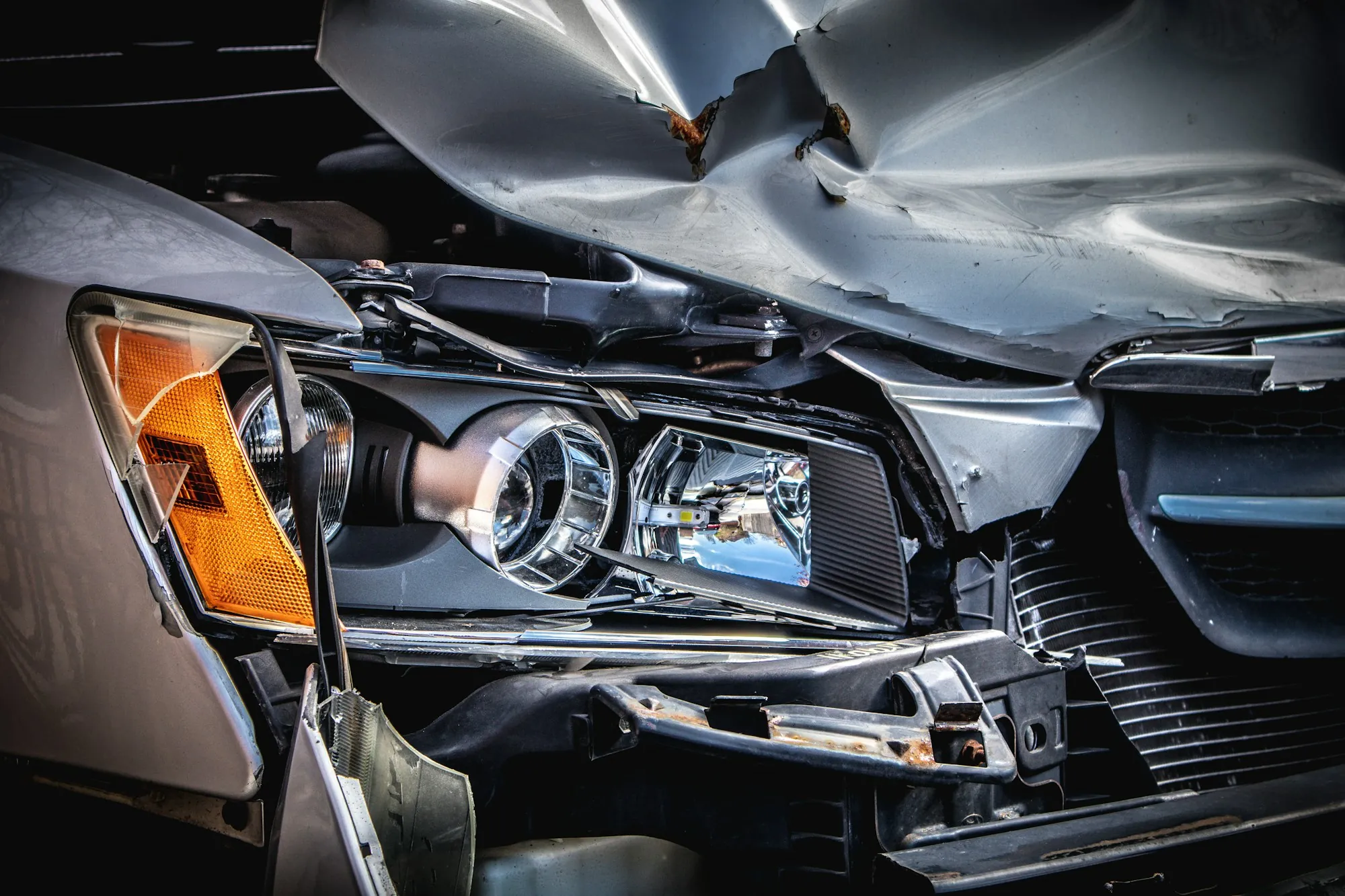
Front and rear bumpers
Bumper Repair & Replacement in McLendon-Chisholm, Hidden Parts Included
A slow-speed tap in traffic on US 80 can look like a scuff and still crush the foam and crack a bracket behind it. We look past the cover.
Describe the bump to our team: (000) 000-0000The Cover Is Only the Outer Layer
Modern bumpers are assemblies, not single parts. Behind the painted plastic cover sit energy absorbers, mounting brackets, a metal reinforcement bar and, on many cars, radar and parking sensors. A quick estimate written from the outside often lists a cover and paint and nothing else. We remove the cover, inspect every layer and document what the impact damaged, then send that evidence to the insurer as part of the estimate or a supplement. When sensors are involved, the maker usually calls for calibration after the repair, and we put that on paper too. Drivers coming in from Fate or off I-30 deal with plenty of stop-and-go bumps, and many are surprised by what's hiding.
Every Layer of a Bumper Job
A bumper repair should restore the whole assembly. Here is each part we inspect, fix or renew.
Cover off before the estimate is final
We remove the cover so the parts behind it can be inspected and photographed, instead of guessing from the front.
Absorbers that only work once
Foam and plastic absorbers are designed to crush a single time. Damaged ones get replaced and noted on the claim.
Reinforcement bar inspection
The bar is checked for bends and cracks at the mounts, since it carries most of the force in a bumper hit.
Brackets, guides and clips renewed
New mounting pieces replace broken ones, keeping the cover at the correct height and flush with fenders and lamps.
Plastic welding for repairable covers
Tears and cracks in salvageable covers get a plastic weld on the back side plus reinforcement before refinishing.
New covers when repair isn't sensible
Heavily torn or distorted covers are replaced, and we explain the reasoning to you and the adjuster.
Flexible paint for plastic
Bumper refinishing uses an additive that lets paint flex along with the plastic so it doesn't crack later.
Sensor calibration in writing
Radar and parking sensors are refitted and calibrated as the maker directs, so features such as automatic braking and cruise spacing read correctly. That step is listed on the estimate.
Bringing a Bumper Back the Thorough Way
- 1
Remove the cover and look
First we unbolt the cover and examine absorbers, brackets, the bar and any sensors. Photos of each damaged piece go into a written estimate. If a claim is open, we send that package to the insurer. Anything found later goes through as a supplement.
- 2
Fix what sits behind first
Spent absorbers and broken brackets are replaced, and the bar is repaired or swapped. The cover is welded and refinished or replaced with a new one. We keep you posted if the insurer asks for more detail on any part.
- 3
Mount, calibrate and test
The bumper is hung, aligned with the fenders and lamps, and secured. We calibrate the sensors and run a scan to make sure no faults are stored. We check the gaps with you at pickup and go over what was done.
What You Gain When We Look Deeper
Nothing left hiding
Crushed foam or a cracked bracket won't show from outside, but it changes how the next impact is absorbed. We find it and document it.
Calibration is part of the job
Sensors behind a bumper guide systems you rely on. We follow the maker's calibration steps and put them on the estimate so they aren't left off.
Clear reasons on repair versus new
Whether a cover gets repaired or replaced depends on the damage. You and the insurer hear our reasoning either way.
Bumper Took a Knock? Let's See What's Behind It
Even a bumper with barely a scuff can conceal damage that matters. Give us a call with the details, and we'll explain how the inspection and the claim side would go.
Talk bumpers with us at (000) 000-0000